
10 things to do before looking at houses
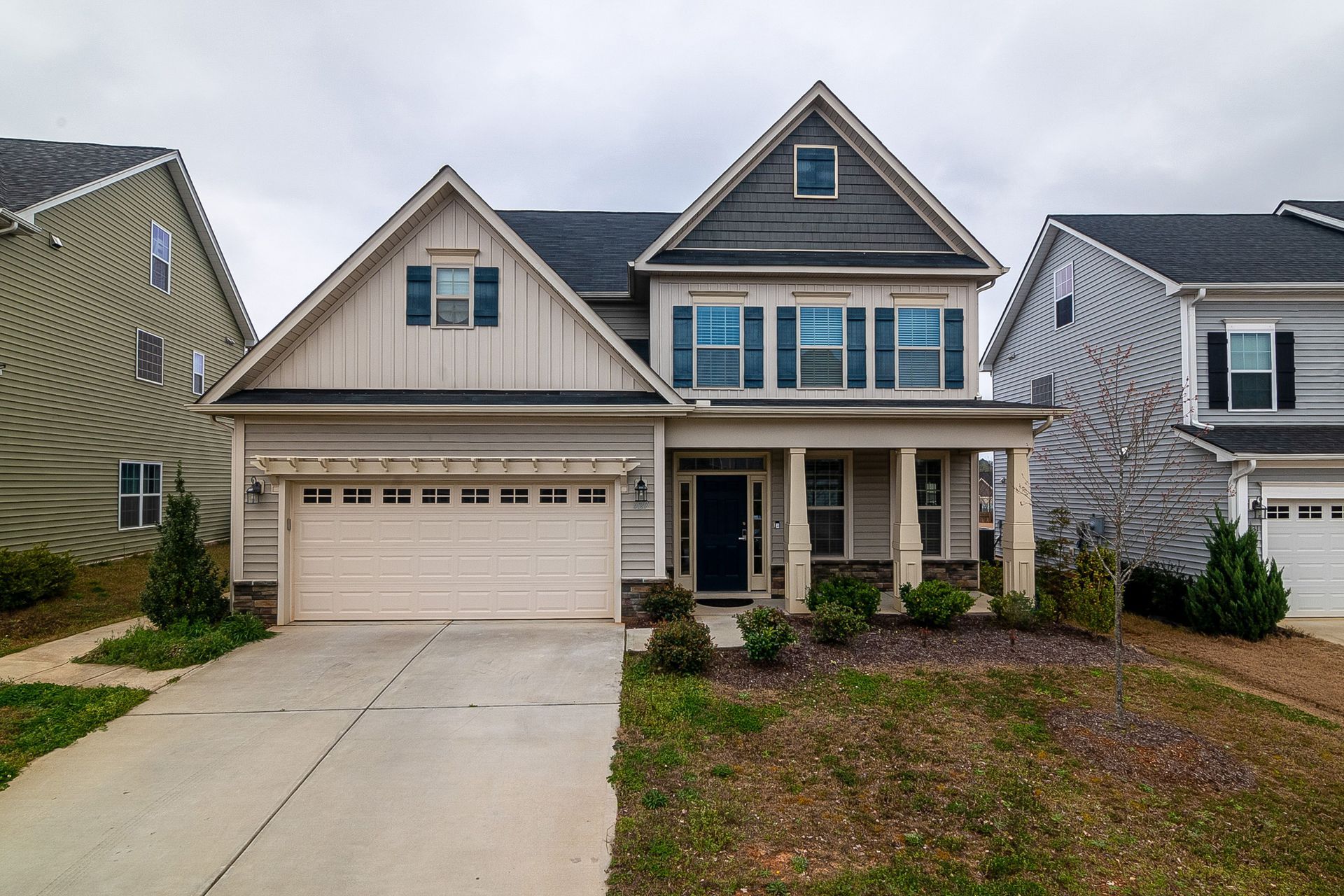
Buying a home is one of the biggest financial decisions you'll ever make. It's exciting to scroll through listings, attend open houses, and imagine yourself living in your dream home. However, many buyers make the mistake of starting their search before they are truly prepared.
Taking a few important steps before you begin touring homes can save you time, reduce stress, and help you make a confident decision when the right property comes along.
Here are the most important things you should have in place before you start looking at houses.
1. Understand Your Budget
The first question isn't, "What kind of house do I want?"
It's, "What can I comfortably afford?"
Many buyers focus only on the monthly mortgage payment, but homeownership includes additional expenses such as:
- Property taxes
- Homeowners insurance
- Utilities
- Maintenance and repairs
- HOA fees (if applicable)
- Lawn care and snow removal
Create a monthly budget that includes all of these costs. Owning a home should improve your quality of life—not stretch your finances to the breaking point.
2. Check Your Credit Score
Your credit score plays a major role in determining:
- Whether you qualify for a mortgage
- The interest rate you'll receive
- Your monthly payment
- The loan programs available to you
If your credit score isn't where you'd like it to be, don't get discouraged. Even a few months of paying down debt and making on-time payments can improve your score.
Before applying for a loan:
- Review your credit reports.
- Correct any errors.
- Avoid opening new credit accounts.
- Continue making payments on time.
3. Get Pre-Approved for a Mortgage
One of the biggest mistakes buyers make is shopping before speaking with a lender.
A mortgage pre-approval tells you:
- How much you may qualify to borrow
- An estimated interest rate
- Your expected monthly payment
More importantly, sellers often prefer offers from buyers who already have a pre-approval letter because it shows you're serious and financially prepared.
In competitive markets, having your financing ready can make all the difference.
4. Save for More Than Just the Down Payment
Many first-time buyers believe the down payment is the only upfront cost.
In reality, you'll also need money for:
- Closing costs
- Home inspection
- Appraisal
- Earnest money deposit
- Moving expenses
- Utility deposits
- Furniture or appliances
- Unexpected repairs after closing
Having a financial cushion provides peace of mind during the buying process.
5. Make a List of Your Needs vs. Wants
It's easy to fall in love with a beautiful kitchen or an amazing backyard.
Before you start touring homes, create two lists.
6. Research Neighborhoods
A beautiful home is only part of the equation.
Think about your daily lifestyle.
Ask yourself:
- How long is the commute?
- Are schools important?
- Are parks nearby?
- Is shopping convenient?
- What are the property taxes?
- Are future developments planned?
Visit neighborhoods during different times of the day and on weekends to get a better feel for the area.
7. Avoid Major Financial Changes
Once you're preparing to purchase a home, try to keep your finances stable.
Avoid:
- Buying a new car
- Financing furniture
- Opening new credit cards
- Changing jobs without discussing it with your lender
- Making large unexplained deposits into your bank account
Lenders often verify your financial information multiple times before closing.
8. Gather Important Documents
Getting organized ahead of time can speed up the mortgage approval process.
Common documents include:
- Recent pay stubs
- W-2s
- Tax returns
- Bank statements
- Investment account statements
- Identification
- Proof of additional income if applicable
Having these documents ready can reduce delays once you find the right home.
9. Choose the Right Real Estate Agent
Buying a home involves much more than unlocking doors.
A knowledgeable real estate professional can help you:
- Understand the local market
- Identify potential concerns with properties
- Prepare competitive offers
- Negotiate on your behalf
- Recommend trusted inspectors and lenders
- Guide you through inspections and closing
Having an experienced agent in your corner makes the process smoother from beginning to end.
10. Be Patient
Many buyers expect to find the perfect home during the first weekend.
In reality, finding the right home often takes time.
You may lose out on a home in multiple-offer situations or discover that a property isn't quite what it appeared to be online.
Don't get discouraged.
The goal isn't to buy the first house you see—it's to buy the right house for your needs and your future.
Final Thoughts
Preparing before you begin house hunting gives you a significant advantage. You'll know your budget, understand your financing options, and be ready to act quickly when the right home becomes available.
Buying a home should be an exciting experience, not a stressful one. Taking the time to prepare today can save you money, reduce surprises, and make the entire process much more enjoyable.